
Common Hair Loss Conditions & Solutions: The Hair Loss Clinic UK
Hair loss can affect confidence, wellbeing, and self-esteem, but understanding the cause is the first step towards finding the right treatment.
The Hair Loss Clinic offers online treatments for Male Pattern Hair Loss (MPHL) and Female Pattern Hair Loss (FPHL), alongside professional assessments for a wide range of other hair and scalp conditions.
While not every type of hair loss can be treated with online prescriptions, our qualified trichologist can help identify the underlying cause of your symptoms and guide you towards the most appropriate treatment pathway.
Whether your hair loss is sudden, patchy, inflammatory, or linked to an autoimmune condition, we are here to provide expert support and honest advice.
Complete our online questionnaire so we can assess your concerns and help point you in the right direction.
Key Takeaways:
✔ We offer Expert trichology assessments for many common hair loss conditions
✔ Online treatments available for male and female pattern hair loss
✔ Sudden shedding may signal stress, illness, hormones, or nutritional deficiencies
✔ Patchy hair loss often requires professional diagnosis and targeted treatment advice
✔ Qualified guidance helps you access appropriate treatment options with confidence
Sudden Shedding
Sudden hair shedding can feel alarming, particularly when large amounts of hair appear in the shower, on your pillow, or in your hairbrush. This type of hair loss is often temporary and may be triggered by stress, illness, hormonal changes, medications, rapid weight loss, or nutritional deficiencies. In many cases, the hair follicles remain healthy and regrowth is possible once the underlying trigger has been addressed.
Our trichologist can assess your symptoms, lifestyle, and medical history to help determine the likely cause of your shedding. We may also recommend further investigations through your GP or healthcare provider where appropriate. Identifying the root cause early can help prevent unnecessary worry and support healthy hair recovery.
If your shedding is related to Male Pattern Hair Loss or Female Pattern Hair Loss, we can also discuss our online treatment options and ongoing support plans.
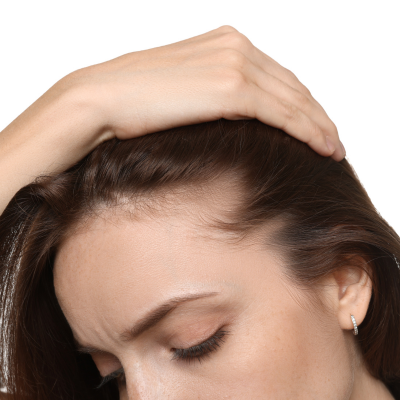
Patchy Hair Loss
Patchy hair loss can develop suddenly or gradually and may affect the scalp, beard area, eyebrows, or other parts of the body.
The appearance of smooth bald patches or uneven thinning can be distressing and often requires professional assessment to determine the underlying cause. Conditions linked to patchy hair loss include Alopecia Areata, fungal infections, traction alopecia, and certain inflammatory scalp disorders.
Because different conditions can appear similar, accurate diagnosis is extremely important before beginning treatment. Our qualified trichologist can review photographs, discuss your symptoms, and advise whether you may benefit from medical referral or specialist care.
In some cases, patchy hair loss may improve naturally, while other conditions require prescription treatments or ongoing management. We are here to guide you towards the most suitable next steps and help you better understand your hair loss journey.
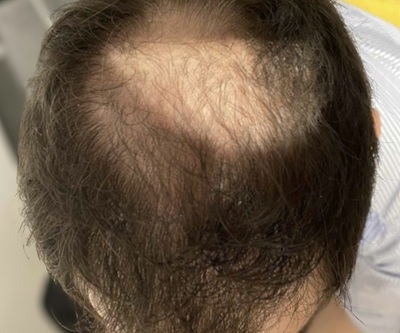
Autoimmune Conditions Resulting in Hair Loss
Some hair loss conditions occur when the immune system mistakenly attacks healthy hair follicles. One of the most common examples is Alopecia Areata, which can cause small bald patches, widespread thinning, or complete hair loss in more severe cases. Autoimmune-related hair loss may develop suddenly and can sometimes be linked to stress, genetics, or other immune system conditions.
These conditions often require specialist diagnosis and medical management, as treatment approaches vary depending on the severity and type of hair loss involved.
Our trichologist can help assess your symptoms and determine whether referral to a dermatologist or healthcare professional may be beneficial. We understand that autoimmune hair loss can be emotionally challenging, particularly because it can be unpredictable.
Our role is to provide professional guidance, reassurance, and support while helping you access the most appropriate care pathway for your individual needs.
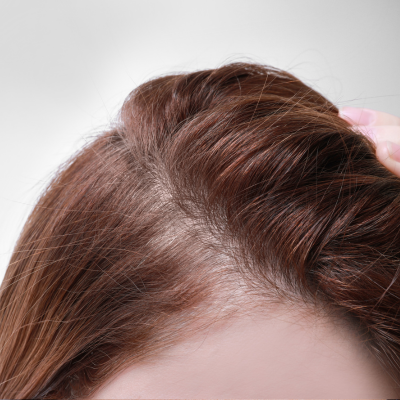
Telogen Effluvium
Telogen Effluvium is a common form of temporary hair loss that usually occurs several weeks or months after a physical or emotional trigger. Illness, surgery, stress, childbirth, hormonal changes, dietary deficiencies, and significant lifestyle changes can all disrupt the natural hair growth cycle and push more hairs into the shedding phase.
People with Telogen Effluvium often notice increased hair fall across the entire scalp rather than distinct bald patches. Although the shedding can feel dramatic, the condition is usually reversible once the trigger has been identified and managed. Recovery may take several months because hair growth occurs gradually.
Our trichologist can help assess potential triggers and advise whether further medical investigation may be appropriate.
We can also determine whether there may be an underlying element of Male Pattern Hair Loss or Female Pattern Hair Loss contributing to your concerns, allowing you to explore suitable online treatment options where appropriate.
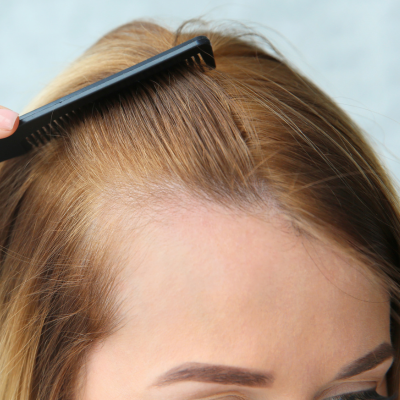
Scarring Alopecia & Inflammatory Scalp Disorders
Scarring alopecia and inflammatory scalp disorders are more complex conditions that require prompt professional attention.
These conditions may cause redness, irritation, itching, burning sensations, flaking, tenderness, or permanent hair loss if left untreated. Examples include Lichen Planopilaris, Frontal Fibrosing Alopecia, folliculitis, and Discoid Lupus Erythematosus.
Unlike temporary shedding conditions, scarring alopecia can permanently damage hair follicles, making early diagnosis extremely important. Treatment often involves medical therapies aimed at reducing inflammation and preventing further hair loss progression.
Our qualified trichologist can assess your symptoms and help identify whether your condition may require referral to a dermatologist or specialist healthcare provider. While we do not directly treat all inflammatory or scarring hair disorders online, we can provide guidance, support, and direction towards the most appropriate professional care. Early intervention can make a significant difference in protecting long-term scalp and hair health.
Online Treatments & Genetic Testing for MPHL & FPHL
For clients experiencing Male Pattern Hair Loss (MPHL) or Female Pattern Hair Loss (FPHL), we offer high-grade pharmaceutical topical serums available through our convenient online subscription service.
These evidence-based treatments are designed to support healthier hair growth and help slow progressive thinning.
After completing our online questionnaire, your case will be reviewed by our qualified trichologist to determine suitability and recommend the best treatment plan for your needs. Ongoing support and monitoring help ensure you feel confident throughout your hair restoration journey.
In some cases, we may recommend an at-home genetic testing kit that requires a saliva sample. The results help us identify which treatments may be most suitable for your genetic profile, removing any 'trial and error' you may have experienced elsewhere.

FAQs About Your Hair Loss Condition
What is the most common cause of hair loss in men and women?
«Male Pattern Hair Loss (MPHL) and Female Pattern Hair Loss (FPHL) are among the most common causes of long-term hair thinning. These hereditary conditions develop gradually over time and can affect confidence and self-esteem. The Hair Loss Clinic offers professional assessments and high-grade pharmaceutical topical serums available through our online subscription service for suitable clients.
How do I know if my hair loss is temporary or permanent?
«Temporary hair loss is often linked to stress, illness, hormonal changes, medication, or nutritional deficiencies, while permanent hair loss may involve genetic or scarring conditions. A professional assessment can help determine the likely cause. Our qualified trichologist can review your symptoms and advise on the most appropriate next steps or treatment pathway.
What is Telogen Effluvium?
«Telogen Effluvium is a temporary shedding condition where more hairs than usual enter the resting phase of the growth cycle. It commonly occurs after stress, illness, surgery, childbirth, or sudden weight loss. Although distressing, the condition is usually reversible once the underlying trigger has been addressed and healthy growth cycles resume.
Can stress cause hair loss?
«Yes, stress can contribute to several forms of hair loss, including Telogen Effluvium and flare-ups of autoimmune conditions such as Alopecia Areata. Physical and emotional stress may disrupt normal hair growth cycles. Identifying the trigger is important, and our trichologist can help assess whether further investigation or specialist referral may be beneficial.
What causes patchy hair loss?
«Patchy hair loss can result from conditions such as Alopecia Areata, fungal infections, traction alopecia, or inflammatory scalp disorders. Because these conditions require different treatments, accurate diagnosis is essential. The Hair Loss Clinic can assess your symptoms and help direct you towards the most suitable medical or specialist care where necessary.
What treatments do you offer for Male Pattern Hair Loss?
«For men experiencing Male Pattern Hair Loss, we offer high-grade pharmaceutical topical serums through our convenient online subscription service. Following completion of our questionnaire, our qualified trichologist will assess your suitability and recommend an evidence-based treatment plan designed to support healthier hair growth and slow further thinning.
Does The Hair Loss Clinic treat Female Pattern Hair Loss?
«Yes, we support women experiencing Female Pattern Hair Loss with professional online assessments and pharmaceutical topical treatment options where appropriate. Female thinning can appear differently to male hair loss, often causing diffuse thinning across the scalp. Our trichologist can recommend suitable treatment plans tailored to your individual concerns and goals.
Can autoimmune conditions cause permanent hair loss?
«Some autoimmune conditions may cause temporary hair loss, while others can lead to permanent follicle damage if untreated. Conditions such as Alopecia Areata, Frontal Fibrosing Alopecia, and Lichen Planopilaris often require specialist medical management. Early assessment is important, and we can help guide you towards the most appropriate professional support.
What are inflammatory scalp disorders?
«Inflammatory scalp disorders include conditions that cause redness, itching, soreness, scaling, or irritation alongside hair loss. Examples include folliculitis, psoriasis, seborrhoeic dermatitis, and scarring alopecias. These conditions often require medical diagnosis and treatment, and our trichologist can help determine whether specialist referral or further investigation is needed.
How do I get started with The Hair Loss Clinic?
«The best place to start is by completing our online questionnaire. This allows our qualified trichologist to assess your symptoms, medical history, and hair concerns. We can then advise whether you may benefit from our online treatments for MPHL or FPHL or recommend alternative specialist support where appropriate.